

Learn how to check crime before buying a house: search the address on a crime map, call the local police department’s non-emergency line, then walk the street at different times of day. Map coverage depends on whether the local agency shares data.
This sequence suits a buyer who has a short list of addresses and wants to rule homes out before paying for inspections. If you are new to the tools, start with how to use a crime map, then return here to apply it to a purchase.
Before you start
You need very little to begin, but a few preparations make the results easier to compare across homes.
- A specific street address. Crime sites mostly ask you to type in the address you are interested in and then break crimes down by date and type, so keep each listing address handy.
- A phone or laptop. You will use it for map searches, registry lookups and notes while you stand on the street.
- Flexible time for more than one visit. One showing is not enough to judge a street, so plan visits on different days and at different hours.
- A notes template. Use the same headings for every address (map result, police answer, visit impressions) so a quiet-looking street is judged by the same yardstick as a busy one.
The step-by-step check
Work through the steps in order. The desk research tells you what to look for on the ground, and the police call tells you how far to trust the map.
Step 1: Search the address on a crime map
Begin with a map because it is quick and shows the pattern around the house rather than a single block. CrimeMapping extracts its data from the existing records system at each participating law enforcement agency through an automated import, and it shows the most current data available. Enter the address, then look at the crime types and dates around it rather than counting dots.
The condition that matters is coverage. Sharing crime data on the site is a choice each department makes, so an empty map can mean the agency does not participate rather than that nothing happened. If your search area looks blank, move on to the later steps before drawing any conclusion.

Step 2: See what the listing site shows
Real estate sites do show some safety information. Home buying apps such as Zillow and apartments.com provide neighborhood safety stats, which makes the listing page a convenient first look. Treat those figures as a screening tool, and check which provider the page names for the data before you rely on it.
Paid neighborhood reports are another route. NeighborhoodScout lists a pay-as-you-go option at $30.00 per report. That can be worth it for a home you are about to make an offer on, but it is hard to justify for every address on a long list.
Step 3: Compare with official statistics
Next, confirm what the listing site and map suggest against government and police sources. Crime reporting tools like the FBI’s Crime Data Explorer are one option, and local police departments may also publish crime data on their own sites. Crime statistics also appear on local government websites and sites like MyLocalCrime.
When you compare two neighborhoods, raw counts can mislead because areas differ in size and population. Learn how to calculate crime rate before you decide that one area is safer than another. If a map shows a cluster of incidents near your address, read up on what is a crime hot spot so you can tell a concentrated problem from a normal spread.
Step 4: Check sex offender registries
Registries are a separate check from crime maps, and a buyer should run them before purchase. The National Sex Offender Public Website and Family Watchdog are the services named for this purpose. The FBI tool above and the national offender database are also listed together as online checks by a credit union’s buyer guide. Search the address and the surrounding streets, and note anything you want to raise with the police.
Step 5: Call the police non-emergency line
The call gets you what a map cannot: context from the agency that collects the reports. Use the department’s non-emergency line, not the emergency number, and ask for the records or community contact if the first person cannot help. If the department’s website lists a public information officer, that person is the named contact for questions about how the agency shares data.
Good questions are specific to the street and to the data you have already seen:
- Coverage. Ask whether the department publishes its crime data online and which sites carry it, so you know whether your map search covered the right area.
- Your findings. Describe what you saw on the map or in the registries and ask what the department can say about those incidents or that block.
- Timing. Ask whether the issues you are worried about tend to happen at particular times, so your visit can target them.
An officer may decline to characterize an area, and that is normal. A courteous call still shows you which records the department keeps and where to find them.
Step 6: Walk the neighborhood at different times
An in-person visit tests everything you gathered online. The advice from a home services provider is to take a walk around the neighborhood at different times of the day and night. A credit union’s buyer guide adds that you should visit more than once, because activity and noise levels can vary from morning to evening and from weekday to weekend. Include your usual commute time on at least one visit.
While you walk, note the general condition of properties, whether streets are well lit, and whether there are sidewalks and bike lanes. Also look for fire hydrants and a nearby fire station. Poorly kept buildings or dark stretches of road are worth comparing with what the map and the police told you.
Step 7: Talk to neighbors and use the viewing
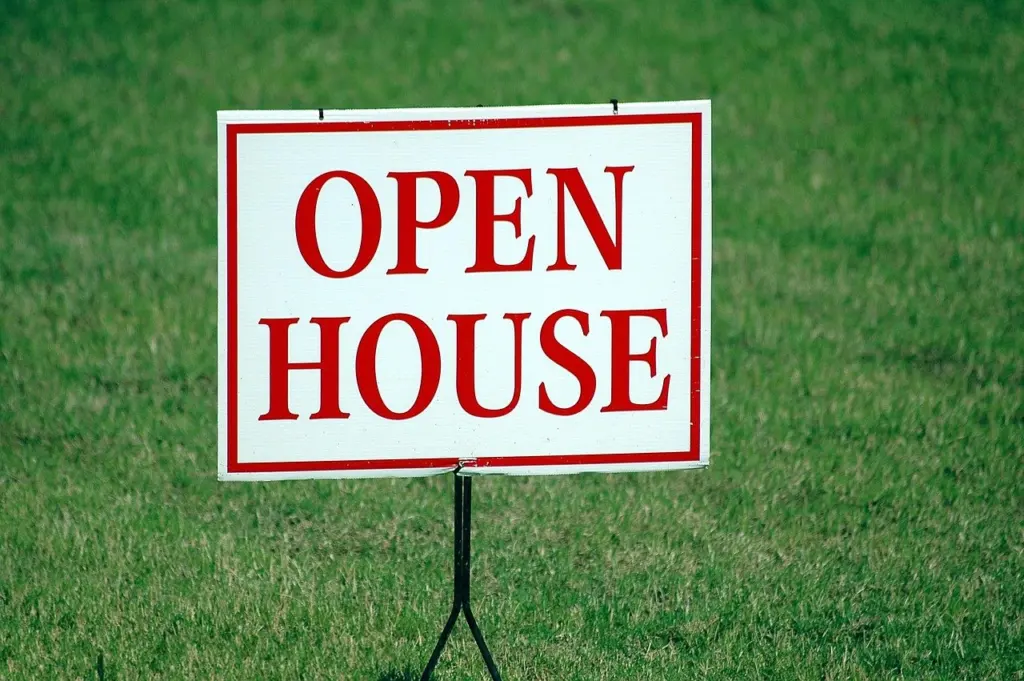
Do not only look at the house at the open house or private showing. Stop and talk to some of your potential neighbors, as the same guide advises. They may even disclose information that the sellers did not mention.
Ask open questions about how the street feels and whether anything has changed recently, then compare their answers with your notes. One neighbor’s opinion is anecdotal, so look for repeated themes.
Step 8: Check what is planned nearby
Future changes can affect a street’s character, so look beyond today’s crime picture. Check with the city’s planning commission or zoning board on future plans for development, particularly for vacant land near the house. Your city’s urban development department can show upcoming plans for community improvements, and the same source warns that a highway overpass or new railroad system could be placed directly behind a home.
Checkpoints before you make an offer
Use this table as a final review. Each row names a check, what a useful result looks like and how it should shape your decision.
| Check | What to look for | Planning use |
|---|---|---|
| Crime map and listing site | Crimes by date and type for the address you entered | Rule out or shortlist addresses before you spend time on visits. |
| Police department | Whether the department publishes its own crime data | Confirm that your map search covered the right agency and area. |
| Neighborhood visit | Activity and noise at different days and times | Repeat visits at the hours that concern you before you commit. |
These checks draw on guidance from a home services provider and a credit union’s buyer guide.
Stop and reconsider when the sources disagree sharply, when the police and registry searches raise concerns you cannot explain, or when your visits at different times of day feel different from the map. Move forward when the map, the police and your own visits tell a consistent story.
Frequently asked questions
Can my real estate agent tell me about crime in the area?
Agents are good sources of information, but they cannot answer all your questions about a specific area. Use your agent for market questions, such as how home values have risen or fallen in the neighborhood, and rely on police and records for crime.
What if my police department is not on CrimeMapping?
Agencies decide for themselves whether to share data there. If you want a department to join, contact the public information officer at your local law enforcement agency, and check the department’s own website for published data in the meantime.
Can I keep watching an area after I shortlist a home?
Yes. CrimeMapping lets you create multiple alerts that track crime in any area of interest, and it emails you when new activity occurs. That helps you follow the streets around several shortlisted homes while you decide.