

The search “www silicon-insider .com wearable tech” points to Silicon Insider, a technology and business news blog. Its pages do not show wearable tech coverage, so readers often need other sources too. This post lays out what the site publishes and what to use instead.
| Question | Answer |
|---|---|
| What is Silicon Insider? | A tech and business news blog with short articles on apps, AI, electronics, manufacturing and workforce training. |
| Does it show wearable tech articles? | No. None appear among the listed items. |
| Who writes for it? | Bylines include Zyndarion Mylaris, Gordon James, Vadlenix Zyrandral and Raph De Leon. |
| How long are the articles? | Read times run from 4 to 9 minutes. |
| Are publication dates shown? | No dates appear on the listings. |
| Best use? | General tech and business reading, not product-specific wearable research. |
What siliconinsider publishes
Silicon Insider is a general technology and business blog, and its sections are Latest, Latest News, Tech News and Tech Trends. The home page lists 10 articles. Topics run from app design to AI tools, electronics repair, manufacturing and learning platforms.
The same content loads at the address with and without a trailing slash. A cookie consent banner lists cookie categories under GDPR rules. The site does not state who owns or runs it, so readers should weigh each article on its own merits.
Recent headlines give a sense of the range. They include a piece on apps that guard your streak across time zones, a guide to tailoring a resume with AI, an article on network effects, and a look at the role of a learning management system in building a workforce. Each is a short read aimed at a general audience of tech and business readers.
Does siliconinsider cover wearable tech?
No. The listed articles do not mention smartwatches, fitness bands or other wearables. The closest topics are electronics and apps.
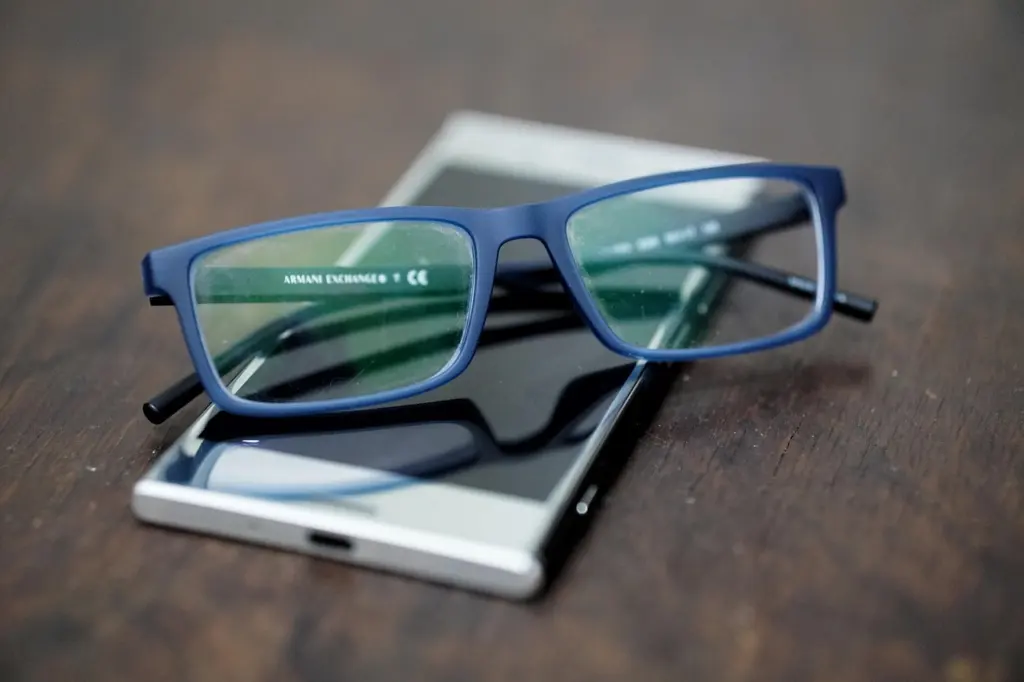
One recent item, “Repair or Replace? How Businesses Can Make Better Decisions About Faulty Electronics”, deals with devices in general. It is written for businesses, not for people choosing a wearable. A reader who wants a fitness tracker or watch comparison should look elsewhere.
For a reader who cares about public safety, wearables raise their own questions, such as how location data is stored and who can see it. A general news blog is a poor place to settle those questions. Product documentation and privacy policies from the device maker are better starting points.
Gordon James and the editorial voice
Searches such as “silicon-insider gordon james tech” lead to a profile on the site. The article “Inside Silicon Insider: How Gordon James Is Shaping Tech Coverage In 2026” says he leads tech coverage and reports on startups, chips and related topics.
He is also the byline on “What Is the Most Advanced AI Video Model?”. Those two pieces are the clearest guide to his focus: AI, silicon and startups. They suggest a news-and-explainer style, not hands-on gadget testing.
Looking for SearchGPT or power supply advice?
Two other phrasings appear in this cluster: “will searchgpt replace google siliconinsider” and “stay charged siliconinsider power supplies”. The site’s listed articles do not address either one.
For the first, the nearest material is its AI coverage, such as the video model piece and the AI resume article. Neither compares search engines. For the second, the closest topic is electronics repair, which does not cover chargers or battery packs. Treat both searches as questions to take to specialist sources.
Alternatives by need
The right alternative depends on the question, not the brand. The table below groups source types by need.
| Need | Source type | What to look for |
|---|---|---|
| Wearable reviews | Dedicated gadget review outlets | Stated test methods, battery figures, dated reviews |
| AI search debate | Technology news desks and analyst notes | Named sources, dated reporting, clear opinion labels |
| Chargers and power supplies | Manufacturer specs and safety certification listings | Rated output, certification marks, cable standards |
| Chips and startups | General tech blogs like Silicon Insider | Bylined pieces with clear claims |
Use more than one source for any purchase. A news blog can frame the debate, while a review outlet or a manufacturer sheet supplies the numbers you need to decide.
How to judge any tech blog
A short checklist works for Silicon Insider and every alternative. Apply it before you rely on a claim.
- Check the date. Tech advice ages fast, and undated posts are hard to weigh.
- Check the byline. A named author with a visible track record is easier to assess.
- Check ownership. Look for an about page naming who runs the site.
- Check the evidence. Reviews should say how a device was tested.
- Check the mix. The site mixes many unrelated topics, so judge each page separately.
Spotting lookalikes matters too. Confirm the exact domain in the address bar, be wary of near-identical spellings with extra hyphens or different endings, and do not enter personal details on a page you reached through an unfamiliar link.
Staying safe with charging gear
Power supplies deserve extra care because poor ones can damage devices. This is general guidance, not advice from the site.

Buy chargers with recognised safety marks. Match voltage and current to the device label. Avoid unbranded units with no markings, and replace cables that run hot or fray.
Do not charge devices under pillows or on soft surfaces, and unplug anything that smells of burning or feels swollen. Fire services regularly warn about damaged lithium batteries, so stop using a device that looks deformed.
Who Silicon Insider suits
Silicon Insider suits readers who want short, general reads on AI, apps, business and manufacturing. A typical article takes 4 to 9 minutes.
It suits less well anyone shopping for a wearable, comparing AI search tools or choosing a power supply. Those readers should use specialist review sources and manufacturer specifications, then use Silicon Insider as a background read on the wider tech picture.