
Leaving the house for work and wondering how to make your home safer from burglars? Lock every exterior door with a deadbolt, light the doorways, and make the place look occupied, because most break-ins happen in daytime when homes are empty.
Not every household needs every measure. The routes below let you start from the problem you actually have, whether that is an empty house during work hours, a porch that collects deliveries, or a street where neighbors rarely speak. Each route ends with a next step, so you can stop when your biggest risk is covered.
Choose your route through home and neighborhood safety
Start with the route that matches your situation. Most households end up following two or three of them, in roughly this order of effort.
- The house is empty on weekdays. Begin with the entry points and the occupancy cues, then add lighting. These steps cost the least and address the time of day when break-ins are most often reported.
- You want hardware sorted properly. Work through doors, locks and windows first, and only then decide on cameras or an alarm system.
- Deliveries pile up at the door. Jump to the package section, which is a separate problem from burglary and needs different fixes.
- You want your street to look after itself. Read the neighborhood watch section and begin by talking to the local police and the neighbors you already know.
- Your risk is outside the house. Walking at night, parking lots, cars and online scams each have their own habits, covered in the later sections.
- Something has already happened. The final route covers the response plan to agree on before an emergency, and where to go afterward.
What burglary patterns tell you to fix first
A burglary is usually a quick, opportunistic event, so the cheapest wins are the ones that make a home slower, more visible or less obviously empty. Marsh McLennan Agency, citing SafeWise, reports that a home burglary occurs every 41 seconds, averaging $6,000 in loss. The same guidance notes that most break-ins happen during the day when homes are empty. That detail matters more than the headline rate, because it changes your priorities. A household that is empty from morning to evening gains more from occupancy cues and strong door hardware than from a camera that mostly helps after the fact.
Burglars also tend to avoid people. Aegis Technologies describes burglars as usually looking to avoid confrontation and get in and out undetected. Visibility, noise and signs of life all work against that goal.
The National Crime Prevention Council (NCPC) lists garages, sheds, basement windows and sliding glass doors as common entry points for burglars. Many people lock the front door carefully and never think about these four. Walk around your property and list which of them you have, then treat each as its own door.
Match the steps to your local crime picture
National patterns are a starting point, not a verdict on your street. Your local police department may publish incident reports, a public crime map or neighborhood briefings, and these show which crimes cluster near you. Use them to weigh the sections of this guide.
- Burglary reports near you. Put doors, windows, lighting and occupancy cues first.
- Package theft or porch complaints. Handle deliveries before you spend on locks.
- Vehicle break-ins or theft. Read the guides on cars and parking areas ahead of the home hardware.
- Few reports of any kind. Keep to the low-cost basics and build neighbor relationships, which cost nothing and help whatever the pattern turns out to be.
Revisit the reports now and then. A pattern that shifts from daytime burglaries to car break-ins is a signal to change what you work on next.
Doors, locks and windows
Physical barriers are the foundation, and they are the part of home security you control completely. They also work whether or not you are home, online or paying a monthly fee.
Exterior doors
Marsh McLennan Agency advises that each exterior door should have a deadbolt lock for added security. Count the doors that lead outside, including the one from the garage into the house and any side or back door. The one you rarely use is often the one left unlocked, so check that every lock is engaged as a habit when you leave, not only the front door.
Garages, sheds and basement windows
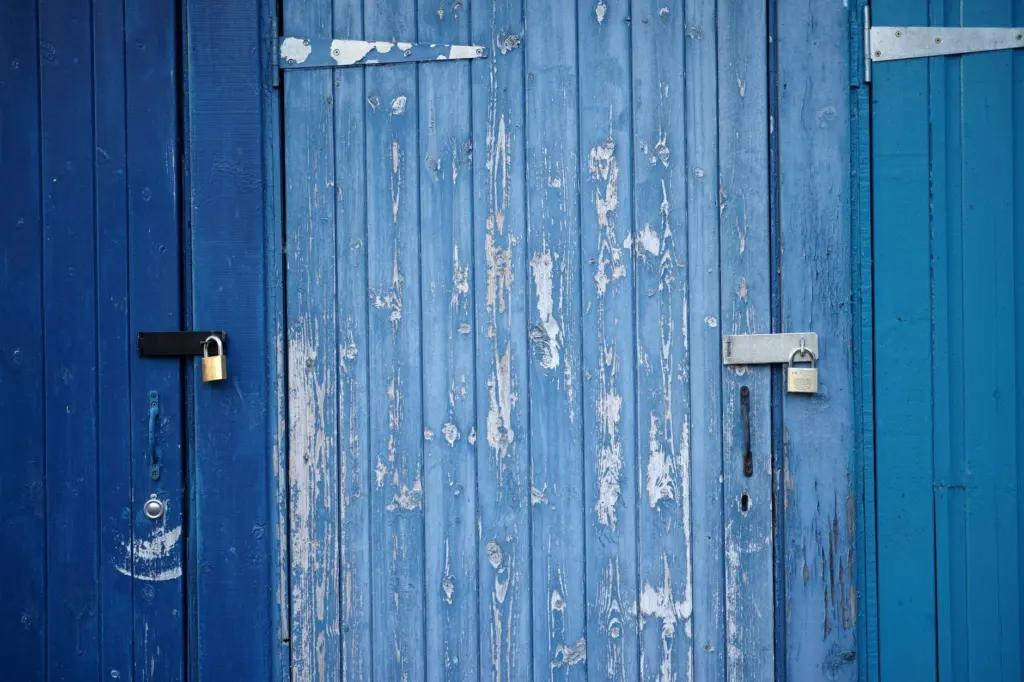
Because garages, sheds and basement windows are named by the NCPC as common entry points, they deserve the same attention as the front door. A shed can supply tools that help someone get into the house, and a garage can give a person shelter from view while they work on an inner door. Keep these spaces locked, and make sure the door between the garage and the house is as well secured as any other exterior door. For basement windows in particular, see how to secure windows from break ins.
Sliding doors and windows
Sliding glass doors are another listed entry point, and they often rely on a thin latch. SafeStreets suggests you insert dowels into the tracks of sliding glass doors and windows. This is a low-cost addition that blocks the door or sash from being slid open even if the latch is defeated. It suits renters and anyone who cannot change fixed hardware, though it is only one layer and works best alongside lit, visible doorways.
Lighting, cameras and alarm systems
Lighting and electronics make a property look watched, and they can help you respond when something happens. They work best on top of sound locks, not instead of them.
Motion-sensor lighting
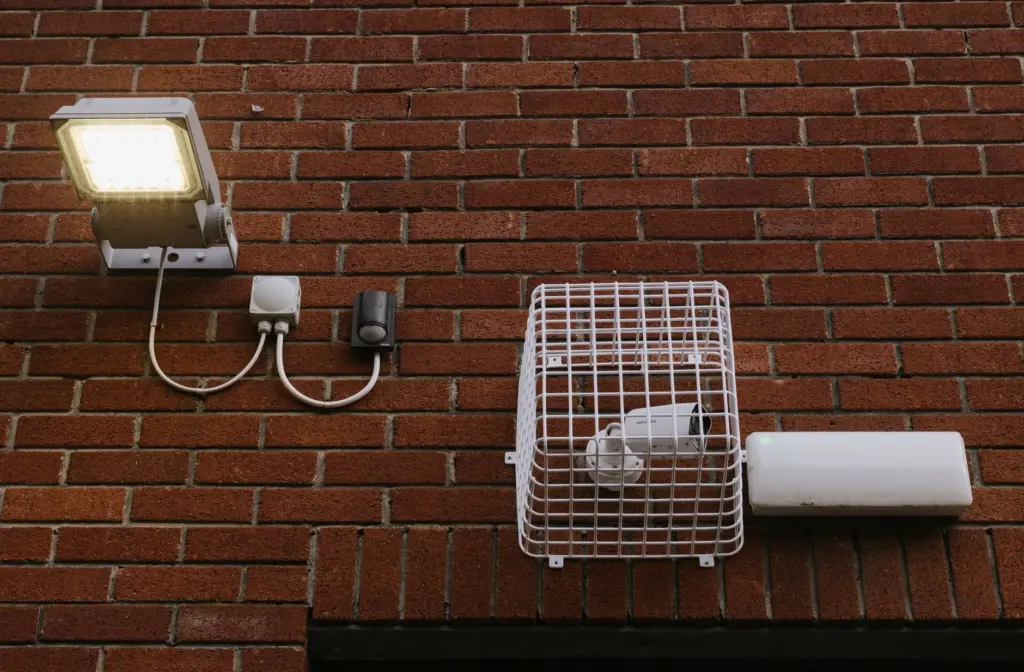
Marsh McLennan Agency recommends you install motion sensor lighting around your home’s exterior, especially near doorways. Doorways are the spots where someone must stop to work, so a sudden light there removes the cover that a quiet approach depends on. Aim fixtures at the entrances you listed earlier, including the side and back doors that neighbors cannot see from the street.
Video doorbells and two-way audio
CNET’s guide to protecting a home from trespassers notes that doorbells make an excellent method to deter porch pirates and other troublemakers. It adds that the top home security cameras now come with two-way audio, which it counts among the most effective deterrents. In practice, the ability to speak to a visitor tells a person at the door that someone is paying attention, whether you are in another room or away from home.
A doorbell camera suits you if you receive deliveries, rarely see who calls, or want a record of who approached the house. It does not lock anything, so treat it as an addition to your doors rather than a replacement.
Do you need a full alarm system?
An alarm system is a reasonable step once the doors, windows and lighting are dealt with, and it makes most sense when the home is empty for long stretches or contains valuables. The monthly costs and contracts vary widely, so compare options against the specific gaps you have found rather than buying a package for peace of mind. The question of are home alarm systems worth it is covered in its own guide.
Clear the places someone could hide
Concealment helps a burglar as much as a weak lock does. SafeStreets recommends you trim back bushes, pull plants out and move garbage cans. Aim for clear sightlines from the street and from neighboring windows to your doors and ground-floor windows. Dense shrubs that screen a window from view are worth cutting back even if they look attractive.
Making the home look occupied
Since empty homes are the target, appearing occupied is one of the most effective and least expensive layers. Marsh McLennan Agency observes that burglars often look for empty homes and may move on if they hear signs of someone inside. A radio or television audible from outside, and lights that are on at sensible times, supply those signs.
The NCPC suggests connecting your lights to automatic timers. Timers solve the problem that a house with the same lamp on all day, or none, looks obviously unattended. Smart-home systems go a step further. CNET points out that vacation modes turn lights on and off to mimic people getting home, which suits households that already use smart bulbs or plugs.
Pets can add to the impression of a lived-in home, but their effect is a separate question. See do dogs deter burglars for what that does and does not change.
Comparing the main home measures
The table sets the measures from the guidance above side by side, so you can decide what to do first and what to defer.
| Measure | What it addresses | Best suited to | Planning use |
|---|---|---|---|
| Deadbolt on each exterior door | Forced or casual entry through any door | Every household | Do this first, and count the garage and back doors |
| Motion-sensor lighting near doorways | Cover for approaching and working at an entrance | Homes with dark side or back entrances | Fit at the entrances nobody sees from the street |
| Video doorbell with two-way audio | Unwanted visitors and porch pirates | Homes with frequent deliveries or few callers | Add once the doors are secure, as it does not lock anything |
| Vacation-mode lighting | An empty house that looks empty | Smart-home users and people away from home | Use during trips; timers do a similar job on a lower budget |
| Package lock box | Parcels left on the porch | Households with regular deliveries | Choose this when deliveries, not burglary, are the local problem |
The measures in the table draw on guidance from Marsh McLennan Agency and CNET.
Read down the “Best suited to” column and you will see why no single measure wins. The locks serve everyone, while the other rows depend on how your household lives and what your local reports show.
Stopping porch package theft
Porch package theft is a different crime from burglary, and the fixes are different, because the target is a parcel left in view rather than the contents of the house. The answer is to stop leaving deliveries exposed, not to harden the front door.
The most direct solution is a place where parcels cannot be seen or taken. CNET calls a package lock box a very simple, very effective addition to your home, describing it as an owner-only holding area that shuts out porch piracy. A video doorbell adds a second layer, since it deters porch pirates and gives you a record if something does go missing.
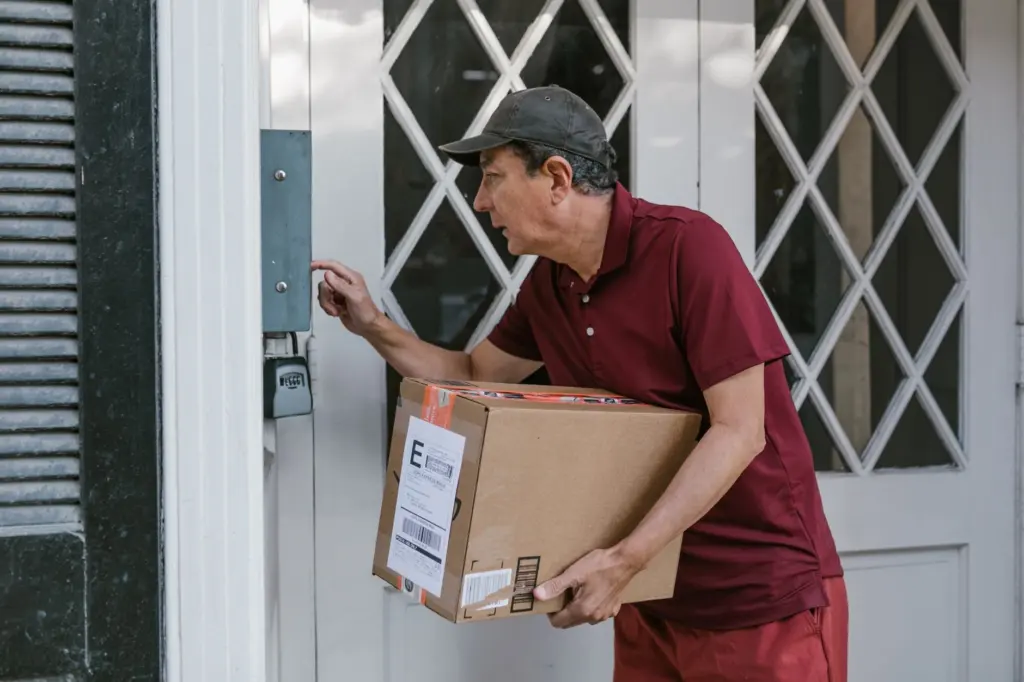
Neighbors are the third option. SafeStreets suggests you ask your neighbors to pick up any delivered packages so they are not sitting on your front step. This works well when you are away or at work, and it costs nothing. Offer to do the same in return, because the arrangement lasts only if it runs both ways. For the full set of delivery tactics, read how to prevent package theft.
Building a neighborhood watch
A neighborhood watch turns individual precautions into shared attention, and the national crime prevention body backs it strongly. The NCPC says that the best way to Take A Bite Out Of Crime is by starting a Neighborhood Watch program, and that one of the best ways to prevent crime is through neighborhood collaboration. Aegis Technologies makes a similar point, saying community awareness and support are essential to preventing crime.
Marsh McLennan Agency advises you consider starting a neighborhood watch with your local police to help discourage thieves. That partnership matters: the police can tell you what is being reported nearby and how your group should report what it sees.
How to get started
You do not need a formal organization to begin. This sequence keeps the early effort small.
- Contact your local police department. Ask whether a neighborhood watch program already exists on your street or nearby and what support the department offers new groups.
- Talk to the neighbors you already know. Find out who is interested and who is home during the day, since daytime absence is when break-ins are most often reported.
- Agree on how to share information. A simple group message or email list is enough, as long as everyone knows what to report and to whom.
- Hold a first meeting. Invite an officer to speak if the department offers it, and use the meeting to exchange contact details and swap any local crime concerns.
- Keep it going. Revisit local reports now and then and adjust the group’s focus as patterns change.

The detailed steps, including how to recruit and keep neighbors involved, are in how to start a neighborhood watch. Even without a formal group, simple habits help. Greet your neighbors, trade contact details and let someone know when you will be away. If your neighbors are older or live alone, home safety tips for seniors cover steps tailored to them.
Staying safe walking at night and in parking areas
Personal safety away from home rests on choosing visible places and keeping the means to call for help. Burglars prefer to avoid being seen, and the same logic holds for most opportunistic offenders: they favor places where nobody is watching.
For walking after dark, these habits are the most useful.
- Choose lit, busy routes. A slightly longer path past open shops and street lighting is a better bet than a shortcut through a dark alley or empty park.
- Keep your phone reachable. Carry it charged and in a pocket you can reach without stopping, not buried in a bag.
- Stay aware of your surroundings. Keep earbuds low or out so you can hear approaching footsteps or vehicles.
- Tell someone your plan. A friend or family member who knows your route and expected arrival can raise the alarm if you do not turn up.
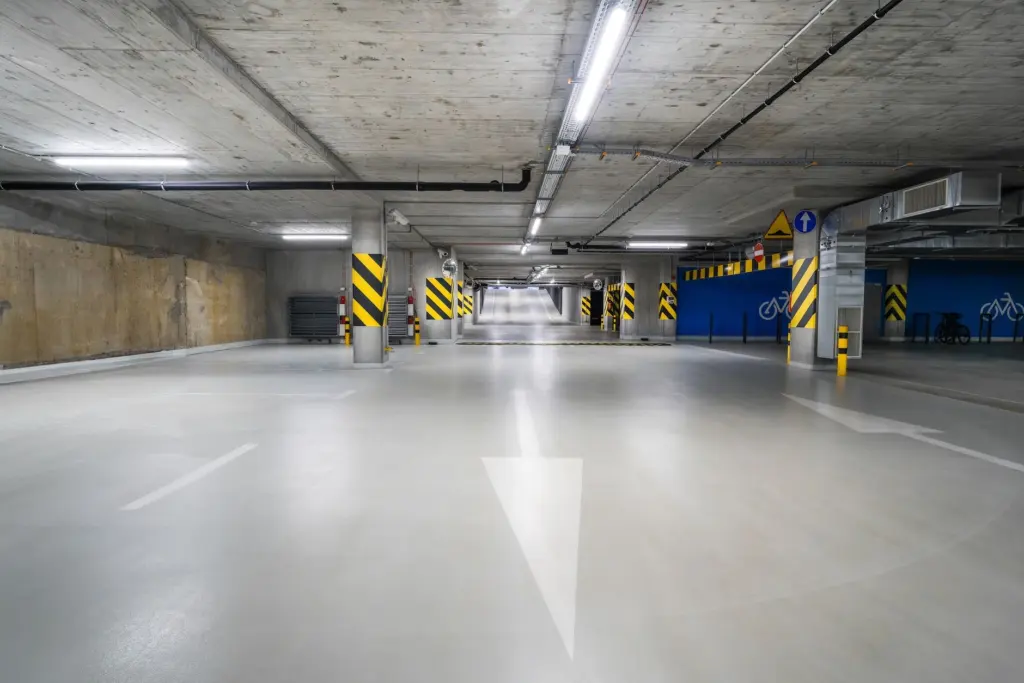
Parking areas deserve extra care because you are often alone and carrying items. Park near lights and busy entrances where you can, and have your keys ready before you reach the car. The garage in the photo below is the kind of bright, open space to look for. Our guide to parking lot safety tips goes through the routine in more detail.
Keep a way to call for help
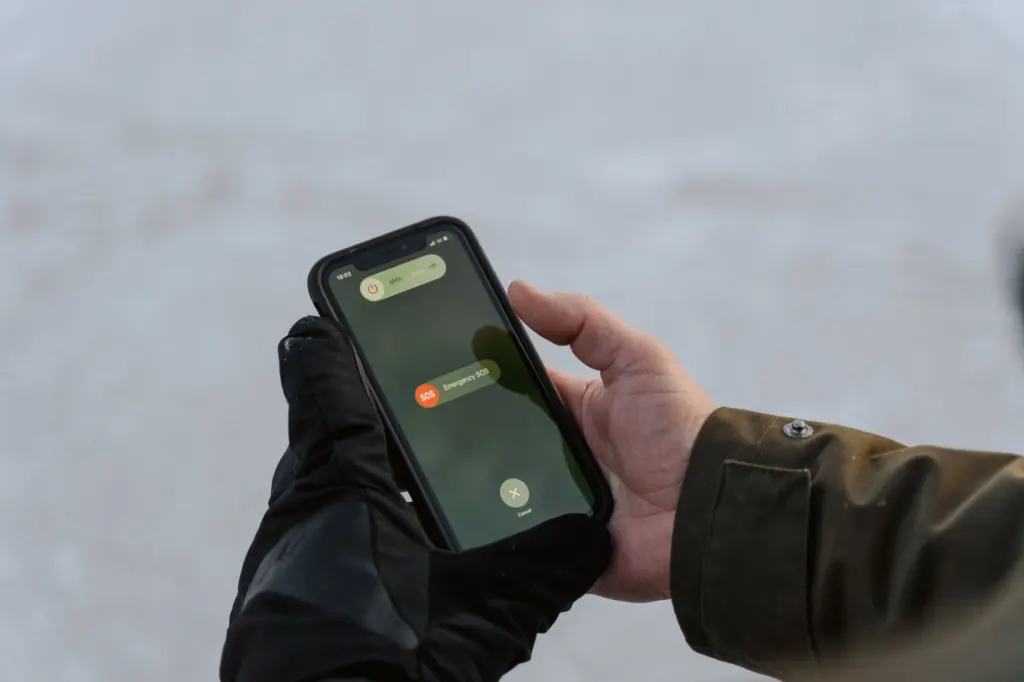
If something feels wrong, move toward people and light, then call for help. Many places let you contact emergency services by message when speaking is unsafe, so check can you text 911 for where it works and what dispatchers need. Also see whether your city or county offers local alerts you can receive on your phone, so that warnings about nearby incidents reach you quickly.
Cars, identity and scams
Home safety does not stop at the front door. Some of the crimes most likely to reach you are aimed at your vehicle or your personal information, and they respond to the same logic of making yourself a harder and less rewarding target.
- Vehicles. If your local reports show vehicle crime, start with how to prevent car break-ins. Thieves who target particular parts have their own countermeasures, set out in how to prevent catalytic converter theft.
- Identity. Stolen mail and careless disposal of documents expose personal details, so read how to prevent identity theft for the home-based habits that matter. If it has already happened, what to do if your identity is stolen sets out the response.
- Scams. Callers and messages that pressure you to act fast are the usual warning sign, and how to recognize a scam explains how to check and report them.
Preparing for a break-in
Prevention reduces the risk, but a plan prepares you for the rare moment when it fails. Aegis Technologies advises you make a plan with your family and discuss what you will do if an intruder enters while you are home. Decide in advance who calls for help, where each person goes and how you will account for everyone, because decisions made in a calm moment hold up better than improvised ones.
The same source is blunt about the response: do not attempt to handle the situation yourself, and call 911 instead. Protecting property is never worth a confrontation. The guide on what to do if someone breaks into your house covers the steps in more detail, including what to do once the immediate danger has passed.
A sensible order of work
If you are starting from scratch, work from cheap and certain to optional. Lock and check every exterior door, including the garage, and walk the property to find the shed, basement window and sliding door that may have been overlooked. Then fix lighting at the doorways, cut back anything that screens an entrance, and put lamps on timers so the house looks occupied. Next, deal with deliveries if they are a problem on your street, and introduce yourself to the neighbors you do not know. Only after all that is it worth spending on cameras or an alarm system, and then you can choose them to fill the particular gaps you found.
Revisit your local crime reports from time to time. The most useful safety plan is the one that keeps pace with what is actually happening near you.
Frequently asked questions
| Question | Answer |
|---|---|
| Should I hide a spare key outside? | No. Marsh McLennan Agency recommends giving a key to a trusted friend or neighbor instead of hiding one outside, where it can be found by anyone who looks. |
| Are smart locks a good upgrade? | They can help, but they supplement good door hardware rather than replace it. CNET notes that today’s smart locks can autolock after a period of inactivity or send reminders, which helps if you forget to lock up. For the security trade-offs, see are smart locks safe. |
| Do burglars want a confrontation? | Usually not. Aegis Technologies says burglars typically look to avoid confrontation and get in and out undetected, which is why lights, noise and watchful neighbors count for so much. |